
When Sponsorship Goes Wrong (And When Surprise Goes Right)
ASSOCIATION IS ENDORSEMENT
Pepsi spent over a decade as the title partner of London's Wireless Festival. That's eleven years of brand equity, audience alignment, and cultural positioning. It took 48 hours to walk away from all of it.
When Festival Republic announced Kanye West as the sole headliner for all three nights of Wireless 2026, the sponsorship exodus was immediate. Pepsi pulled out first. Diageo followed. Then Rockstar Energy. Then PayPal. Each cited the same concern: West's well-documented antisemitic remarks, pro-Nazi rhetoric, and a 2025 track titled "Heil Hitler." The UK Home Office blocked his entry entirely. The festival was cancelled.
This wasn't a brand safety conversation about adjacent content on a programmatic buy. This was a marquee partnership imploding in public because someone didn't stress-test the headliner before the press release went out. For CMOs, it's a sharp reminder that event sponsorships are values statements. In an era where audiences and employees hold brands accountable, association is endorsement. Full stop.
SURPRISE IS A STRATEGY
While Pepsi was doing damage control, Nutella was having the week every marketing team dreams about. During NASA's Artemis II mission, just as the crew broke the Apollo 13 distance record at 252,752 miles from Earth, a jar of Nutella drifted loose inside the Orion spacecraft's cabin. It tumbled label-forward, perfectly framed, directly into a live NASA broadcast.
NASA confirmed it was not product placement. The agency does not select crew meals in association with brand partnerships. This was pure, unscripted luck.
What happened next is where the marketing lesson lives. Nutella's team moved fast. Within hours, they posted the clip with a caption that leaned in without overreaching: "Honored to have traveled further than any spread in history. Taking spreading smiles to new heights." Zero gravity, zero ad spend, maximum impact. The speed and tone were perfect—witty, warm, and light enough to let the moment do the heavy lifting.
DELIGHT DOESN'T SCALE. EXCEPT WHEN IT DOES.
The same principle—surprise as a loyalty mechanism—is what's made Chewy one of the most beloved brands in e-commerce. Since 2013, the pet supplies retailer has been sending customers free, hand-painted oil portraits of their pets. No entry form. No purchase required. No announcement. Just a painting showing up at your door.
The program works because it's unsolicited. If Chewy ran a "Submit your pet for a free painting" contest, the effect would be entirely different. The surprise mechanism creates delight rather than expectation. Recipients post their portraits on social media without being asked. Some tweet at Chewy hoping to be selected. Others film unboxings. One customer took her portrait to a picnic to show friends.
Chewy competes with Amazon, which owns more than half the online pet supplies market. It can't win on selection or price. So it built its competitive edge around emotional connection—handwritten welcome notes, holiday cards, sympathy flowers when a pet passes away. The portrait program is the most visible artifact of that strategy, but it's part of a larger philosophy: make the customer experience feel personal, even when you're shipping millions of orders a year.
THE BEST MARKETING DOESN'T FEEL LIKE MARKETING
The throughline between Nutella's viral moment and Chewy's portrait program is the same: the best brand moments don't feel like brand moments. They feel like something worth sharing because they're unexpected, emotionally resonant, or both.
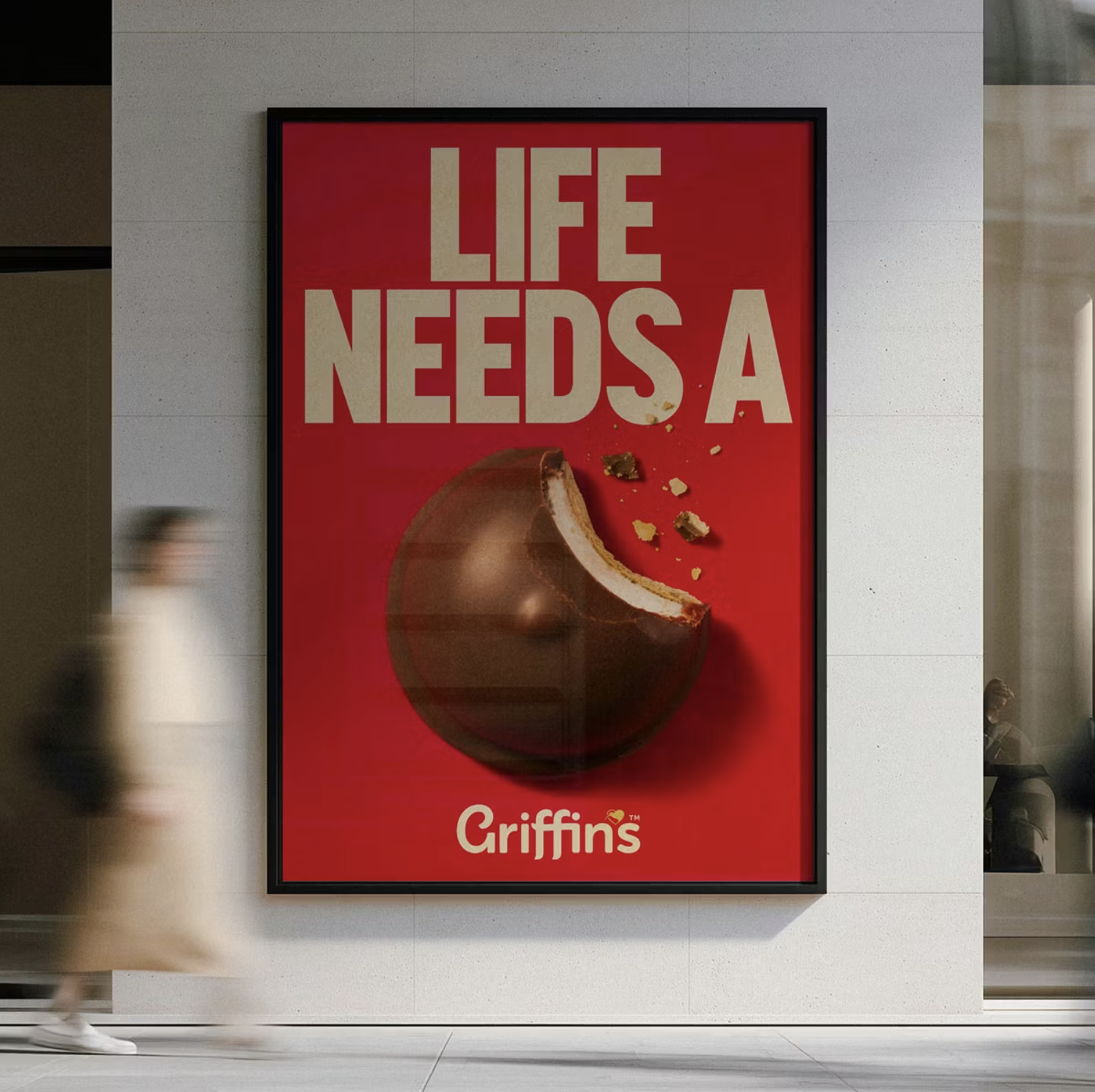
Griffin's, a New Zealand biscuit brand, just launched 24 micro-documentaries—one for each hour of the day—depicting life across Aotearoa. One episode shows a truck driver on the phone with his family at 11:09 pm. Another, titled "Divorce needs a biscuit," features a woman at 6:43 am being asked what the hardest part of separating is. A Griffin's biscuit appears quietly in the background of each film. The brand is there, but it's not the point. The humanity is.
That's the strategic provocation for any brand paying attention this week: the campaigns that break through aren't the ones that shout loudest. They're the ones that know when to step back and let the moment—whether it's a jar floating in zero gravity, a painting arriving unannounced, or a quiet scene of real life—speak for itself.
The question isn't whether your brand can create a moment. It's whether your brand can recognize one when it happens—and respond with the speed, tone, and restraint to not ruin it.
Meta description: From Pepsi's Wireless Festival exit to Nutella's zero-gravity moment, this week's marketing moves reveal why surprise, restraint, and emotional connection are the new competitive edge.
